
The Effects of Distracting Noise on Memory Recall
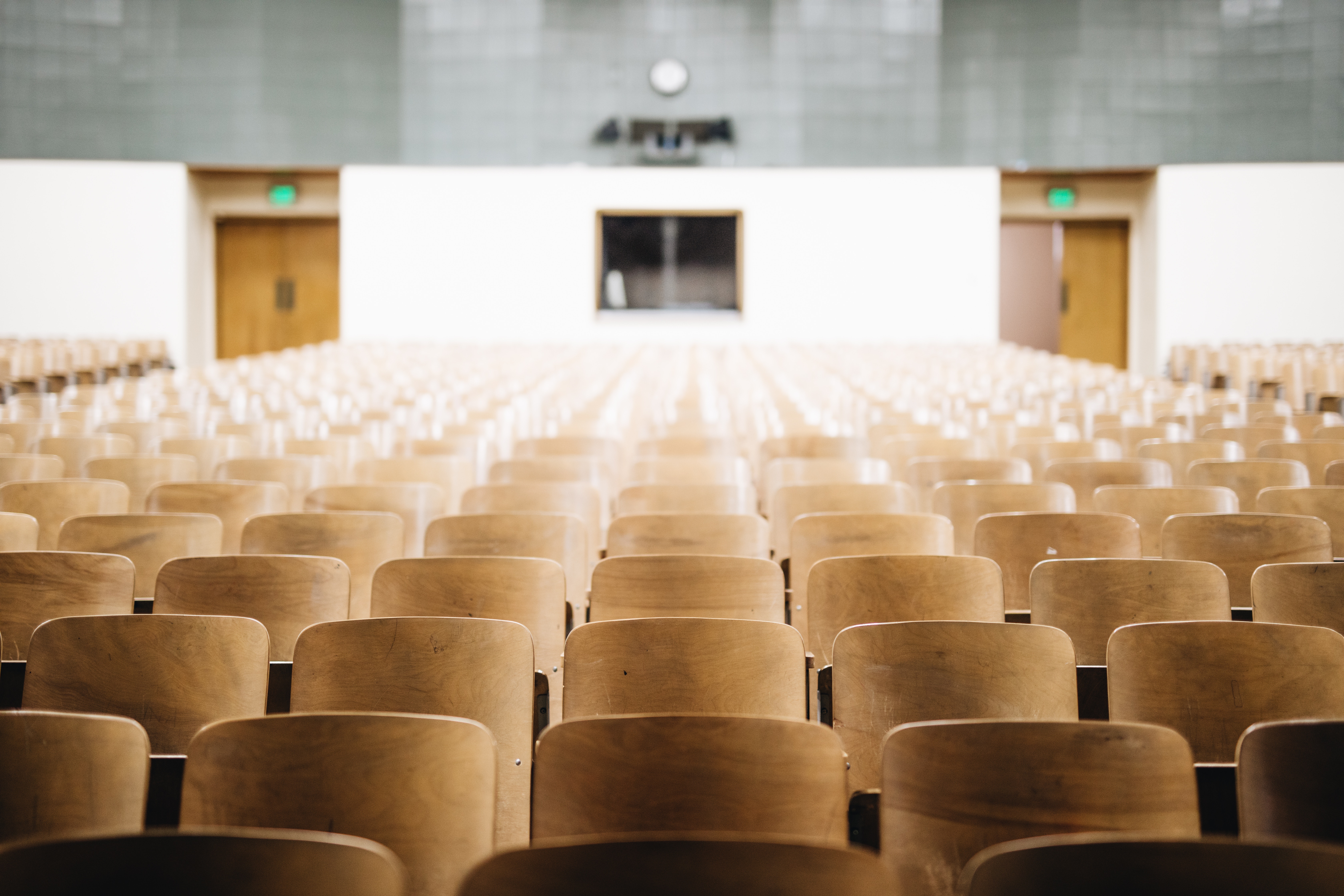
It’s likely that many of you have already experienced the effect background noise has on your memory. It’s distracting, and often puts you off the simplest of tasks. But what about in an exam? When the task is all but simple, and students are drawing information from long-term memory, and is then combined with pressure and exam anxiety. Therefore, if distractions (e.g. noise) can be kept to a minimum, then this provides some benefit for the students.
The Study
The study by Morgan (1917) explains the effect noise has on memory. The experiment measured the recall of learned paired associates (a 3-letter word and a digit) under two conditions of quiet and noisy (which included the sound of a graphophone, a fire, and a buzzer).
Participants had the chance to learn the pairs, then were tested by asking them to press the number key that they thought was paired with the 3-letter word presented. Participants were also tested two days later, by asking them to recall the words they had learned previously. His first finding showed that the number of correct answers was lower in the noisy condition than in the quiet condition, suggesting that the learning of paired associates is interfered with by noise. There was little difference in the reaction time between the noisy and quiet conditions.
Breathing was also measured in this experiment, and it found that severity of blows in the noisy condition was greater than that of the quiet condition, suggesting participants felt greater tension in the former. In the 2-day follow up, participants scored lower in recall and recognition for the words in the noisy condition.
What Happens Next?
These are just some of the findings from this study, but what does it mean for students now? Well, it suggests that memory is interfered with by noise, and when being tested, this interfering noise is linked to feelings of increased tension. So, in the interests of students taking an exam, it is important to limit noise, both for their memory and emotional states.
I would like to note, that while this study provides good evidence, it was conducted in 1917 and measures simply the recall of information from memory. In an exam, not only are students tested on their ability to recall facts, but also their ability to use that information specifically to answer a question.
John J. B. Morgan (1917). The Effect of Sound Distraction upon Memory. The American Journal of Psychology, 28(2), 191-208.
Photo by Nathan Dumlao on Unsplash